Five Days of New York by Neighborhood: A Food-First Itinerary
Most New York itineraries move visitor to visitor through a checklist of monuments, with meals squeezed in wherever the schedule allows. This one runs the other way: five days, four neighborhoods, and the meal is the reason you go there, not a break between stops. Chinatown and Little Italy for street food and dim sum, Greenwich Village for bistros and cafés with real history behind them, Williamsburg for contemporary Brooklyn dining, and Harlem for soul food and its famous, hard-to-book Sunday brunch. If you’d rather understand the general logic of eating well in the city before committing to this specific route, the broader guide on how to eat in New York without the tourist trap covers the same principles this itinerary applies day by day.
This route intentionally skips most of Manhattan’s landmark sightseeing in favor of neighborhood depth — if you’re weighing that trade-off, the Manhattan vs. New York City explainer is useful context, and travelers who want a mix of food and monuments in five days should compare this plan against the five neighborhoods in five days itinerary instead.
A note before you start: prices do not travel evenly across these four neighborhoods. A satisfying lunch in Chinatown or a plate of soul food in Harlem often costs $12-20. The same category of meal in Williamsburg or the Village regularly runs $40-60 or more per person. Don’t plan a flat daily food budget — plan four different ones.
Getting around: the practical basics
You’ll move between Manhattan, Brooklyn and Harlem daily, so get comfortable with the subway early. A single ride is $2.90, tapped with OMNY (a contactless card or phone) or bought on a MetroCard. OMNY has a built-in advantage for a trip like this: it automatically caps your fares at $34 for unlimited rides within a rolling seven-day window, calculated from your first tap — no separate weekly pass to buy, no registration required. For five days of neighborhood-hopping, most visitors hit that cap comfortably and ride free for the rest of the week. For a fuller walkthrough of fares, cards and edge cases, see the NYC subway OMNY and MetroCard guide — or book a guided orientation to the subway system and OMNY setup if you’d rather have someone walk you through it on arrival.
Two cost lines to keep in your head at every meal: sales tax of 8.875% is added to your check and is never included in a menu’s listed prices, and a tip of 18-20% of the pre-tax subtotal is the expected norm at sit-down restaurants and bars, not a rounding-up courtesy. Add roughly 30% on top of a menu’s face-value prices to get a realistic sense of the total. The NYC sales tax guide and the tipping in the USA guide both go deeper into how these two add-ons work if you’re budgeting closely for the week.
Day 1: Chinatown and Little Italy
Start in Chinatown, part of the wider SoHo and Chinatown destination area, one of the largest and oldest in the country, and let the day be driven by grazing rather than a sit-down agenda. If you’d rather learn a dish than just eat it, a dumpling-making workshop is a hands-on alternative to a straight food crawl. Morning is for dim sum — steamer baskets of dumplings and buns shared around a table, ordered off rolling carts or a checklist menu depending on the restaurant. Mid-morning, walk the produce stalls and dried-goods shops on Mott and Grand Streets, where a lot of the city’s Chinese and Southeast Asian restaurants source their pantries.
Lunch is street food territory: hand-pulled noodles, scallion pancakes, and some of the best-value soup dumplings in the city, often eaten standing at a counter for well under $15. In the afternoon, cross the invisible border into Little Italy — now just a few blocks of Mulberry Street rather than the sprawling neighborhood it once was — for espresso, cannoli, and a sense of how much smaller this once-vast Italian-American enclave has become.
For a guided version of the day that groups the best stops without the guesswork, a structured food walk through Chinatown and Little Italy covers both in a few hours with a local guide. Round out the afternoon with a stop for context at the SoHo and Chinatown walking tour, which threads the neighborhood’s history between bites. If Little Italy’s past interests you beyond the cannoli, a Little Italy mafia history walking tour covers that specific angle of the neighborhood’s story.
Where to sleep or base yourself: Lower Manhattan or the East Village puts you within walking distance of both areas.
| Meal | Typical cost per person (before tax/tip) |
|---|---|
| Dim sum breakfast | $12-18 |
| Street food lunch | $8-14 |
| Espresso and pastry | $6-10 |
Day 2: Greenwich Village
The Greenwich Village is New York’s oldest bohemian quarter, and its food scene reflects decades of writers, musicians and immigrants who settled there before it became one of the city’s most expensive residential areas. Spend the morning wandering its crooked, non-grid streets — a deliberate contrast to Manhattan’s numbered avenues further uptown — and stop at one of its old-guard cafés for coffee and a pastry. A general Greenwich Village walking tour is a good option if you want the neighborhood’s full history rather than only its food angle.
Lunch leans toward small bistros and long-running Italian and French spots that have anchored the neighborhood for generations; this is a place where the restaurant’s age is often part of its appeal. In the evening, the Village’s jazz clubs are a genuine historical thread, not a tourist prop — the neighborhood helped shape American jazz through the mid-20th century, and several clubs from that era are still operating.
A guided jazz crawl through the Village pairs a few of these clubs with the neighborhood’s after-dark food and drink scene in one evening, worth booking if live music matters to you — an evening jazz crawl through the Village’s historic clubs covers several venues back to back. For a fuller sense of the neighborhood’s food history by day, the Greenwich Village food tour is built specifically around its bistros and cafés rather than its nightlife.
The Village also has deep LGBTQ+ history, centered on Christopher Street and the Stonewall Inn; a walking tour tracing the neighborhood’s LGBTQ+ history is a worthwhile addition if you have a free hour before dinner.
Expect Village dinners to run noticeably higher than Chinatown’s street food prices — a sit-down bistro dinner here commonly lands at $40-55 per person before tax and tip.
Day 3: Williamsburg and Bushwick
Cross the East River — a tidal strait, not a true river, which is why its currents visibly reverse with the tide — into Williamsburg, Brooklyn’s center of contemporary dining. Where Chinatown and Harlem lean toward tradition, Williamsburg is where New York’s newest chefs open their first restaurants, and the neighborhood’s food scene changes faster than almost anywhere else in the city.
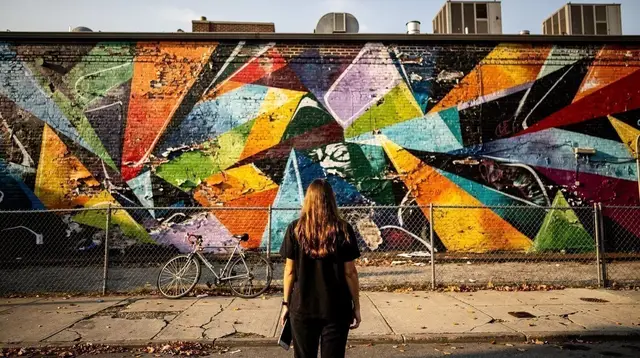
Spend the day moving between its converted-warehouse restaurants, natural wine bars, and a food hall or two, with a stop in neighboring Bushwick for its street art and a more industrial, less polished version of the same dining energy. A structured Williamsburg food tour is a practical way to sample several kitchens in one outing rather than committing a full dinner budget to a single restaurant — or book a guided Williamsburg food tour directly if you’d rather not plan the stops yourself. If the street art is the bigger draw for you, a dedicated Williamsburg street art and nightlife tour leans further into that side of the neighborhood.
Be direct with yourself about cost here: Williamsburg dinners regularly run double what an equivalent meal costs in Chinatown or Harlem, often $50-70 per person at the neighborhood’s more ambitious restaurants, before the 8.875% tax and 18-20% tip. It’s a legitimate splurge night if your budget allows one, not a neighborhood to expect bargains from.
Evenings here also mean rooftop bars and nightlife; if you want to extend the night, a Williamsburg nightlife and bar crawl covers the neighborhood’s bar scene after the kitchens close.
Getting there: the L or G trains reach Williamsburg directly from Manhattan in under 20 minutes from most central stations — one of the easier cross-borough hops on this itinerary.
Day 4: Harlem, soul food and Sunday brunch
If your five days include a Sunday, put Harlem on it — the neighborhood’s food culture is closely tied to Sunday, when gospel church services let out into a wave of brunch reservations across the neighborhood’s soul food restaurants. Be realistic about this: the well-known Harlem brunch spots are not a walk-in option on Sunday — tables at the most reputed addresses are commonly booked out several weeks ahead for that specific late-morning window, and showing up without a reservation usually means a long wait or no seat at all.
Book ahead, then structure the day around it. A morning Harlem gospel church service tour is the traditional lead-in to brunch and gives real context to why the neighborhood’s Sunday food culture works the way it does. For a version that bundles the service, the history, and the meal into one outing, the Harlem soul food and gospel brunch tour removes the reservation guesswork entirely.
Outside the Sunday brunch window, Harlem’s soul food scene is more accessible day to day — fried chicken, mac and cheese, cornbread, and slow-cooked greens at prices that undercut both Williamsburg and the Village substantially, commonly $15-25 for a full plate. A non-Sunday visit is also when a general Harlem soul food tour makes the most sense, since it isn’t built around the brunch-hour reservation crunch. Spend the afternoon on Malcolm X Boulevard and around the Apollo Theater, then consider a Harlem walking tour or a combined gospel history and jazz walk to fill out the neighborhood’s cultural history beyond the table.
Day 5: Open day — repeat, deepen, or branch out
Use the final day to go back to whichever neighborhood you didn’t get enough of, or to fill a gap. If cannabis-related tourism interests you, New York’s regulated dispensary scene has grown enough to support guided outings — a guided tour of the city’s licensed cannabis dispensaries and culture is a genuinely different angle on the city if it fits your interests.
If you’d rather get an overview of everything the city offers beyond these four neighborhoods before you leave, a broad sightseeing overview covering the city’s major highlights is a reasonable way to round out a food-focused trip with the landmarks it skipped. Alternatively, revisit Chinatown for the dumpling stall you didn’t get to, or return to Harlem on a non-Sunday to try its soul food without the brunch crowds and the multi-week reservation window.
Budgeting across four very different neighborhoods
| Neighborhood | Typical lunch (pre-tax) | Typical dinner (pre-tax) | Character |
|---|---|---|---|
| Chinatown / Little Italy | $8-15 | $15-25 | Street food, dim sum, cash-friendly |
| Greenwich Village | $18-25 | $40-55 | Historic bistros, cafés, jazz clubs |
| Williamsburg / Bushwick | $20-30 | $50-70 | Contemporary, chef-driven, pricier |
| Harlem | $12-20 | $15-25 (Sun. brunch: reserve weeks ahead) | Soul food, gospel-brunch culture |
Add 8.875% sales tax and an 18-20% tip on top of every one of these figures — none of the prices above include either. For how these food costs fit into a wider daily budget alongside lodging and transport, see the real daily budget for New York City guide.
If this trip is only one leg of a longer trip through the region, the three days classic New York and two days Manhattan and Brooklyn itineraries pair well before or after a food-focused stretch like this one.
Frequently asked questions about this five-day food itinerary
How much should I budget for food over five days in New York?
Expect real variation by neighborhood: a Chinatown lunch or Harlem soul food plate often runs $12-20, while a Williamsburg or Greenwich Village dinner regularly lands at $40-60 per person before tax and tip. Treat each day’s budget separately rather than averaging across the week.
Do I need reservations for Sunday brunch in Harlem?
Yes, for the well-known soul food spots. Reservations for Sunday brunch at reputed Harlem restaurants commonly fill up weeks in advance, especially around gospel-tour hours. Walk-in seating is unreliable and waits can run over an hour.
What’s the cheapest way to get between these four neighborhoods?
The subway, using OMNY. A single ride is $2.90, and OMNY automatically caps at $34 for unlimited rides within a rolling seven-day period, which usually pays off once you’re crossing boroughs daily on a trip like this.
Is this itinerary walkable, or do I need to plan around the subway a lot?
Each day is built around one neighborhood you explore mostly on foot, with one or two subway or ferry rides to arrive and leave. Manhattan-to-Brooklyn and Manhattan-to-Harlem legs are 20-40 minutes by train.
Can I do Chinatown and Little Italy in the same day comfortably?
Yes — they sit directly next to each other in Lower Manhattan, and the itinerary treats them as one connected day rather than two separate destinations.
Is Williamsburg expensive compared to the other neighborhoods?
Generally yes. Williamsburg’s contemporary restaurant scene prices closer to, or above, Greenwich Village, and dinner there commonly costs double a comparable meal in Chinatown or Harlem.
tours.5 days
Verified deep-linked GetYourGuide tours. Book through these links and we earn a small commission at no cost to you.
GetYourGuide does not provide a product photo for this activity — the image shows the meeting point, photographed by us.