Harlem Soul Food and Gospel Brunch Tour
What is the Harlem soul food and gospel brunch actually like?
It's a sit-down restaurant meal in Harlem — usually fried chicken and waffles or mac and cheese — with a live gospel singer or small group performing as paid entertainment for the room. It is not a church service; expect to pay $35-55 per person before drinks, for a seating that runs 90 minutes to 2 hours.
What actually happens at a Harlem gospel brunch
Search for “Harlem gospel brunch” and the results blur two very different things together. One is an active Sunday service in a working church, which is free to attend, runs on its own schedule, and asks visitors to behave as respectful guests rather than customers. The other is a restaurant meal — soul food, on a Harlem menu, timed for a weekend seating — with a hired vocalist or small group performing gospel music as entertainment for paying diners. This guide is about the second one: the brunch, the plates, the singer, and the practical details of booking a table.
It’s worth being upfront about that distinction because getting it backwards leads to real disappointment. Show up at a soul food restaurant expecting a religious service and you’ll find a dining room with a sound system. Show up at a real church expecting a curated brunch experience and you’ll find a congregation at worship, with no menu and no set list. Neither is a lesser version of the other — they’re simply not interchangeable, and a restaurant brunch should never be marketed or booked as if it were access to an active place of worship.
The food: what’s actually on the table
Harlem’s soul food restaurants built their reputations long before “gospel brunch” became a searchable phrase, and the food is the part that hasn’t changed. The signature dish across most menus is fried chicken and waffles — a hot, crisped chicken piece over a waffle, usually with syrup and butter on the side, sweet and savory on the same plate. Macaroni and cheese, baked rather than boiled-and-sauced, shows up as a near-universal side. Candied yams, collard greens simmered with smoked meat, cornbread and biscuits round out a typical spread, and brunch-specific additions like scrambled eggs, pancakes or French toast appear on menus that split the difference between soul food and standard American brunch.
Portions tend to be generous rather than plated for photographs, and the cooking style favors slow, well-seasoned dishes over anything quick-fired. If you have dietary restrictions, it’s worth checking a specific restaurant’s menu in advance — collard greens and mac and cheese are often cooked with pork or dairy, and vegetarian or vegan options vary a lot by kitchen.
The music: a booked performance, not a service
The gospel element is a live singer, duo, or small backing group that the restaurant has hired to perform during the seating — usually stationed near the dining floor, working through a set of gospel standards between courses. It’s genuinely good music in most venues, delivered with real energy, and it’s a reasonable way to hear gospel singing if a full church service isn’t what you’re looking for. But it is a paid act working a room of diners, structured around the restaurant’s seating times, not a congregation’s liturgy. There’s no sermon, no collection plate in the religious sense, and no expectation that you participate as a worshipper — you’re there as an audience member at a meal.
If you specifically want the experience of an actual Sunday service — the building, the choir, the sermon, the rhythm of a real congregation at worship — that’s a different outing, and it comes with different rules: it’s free to attend, it runs on the church’s own schedule rather than a booking system, and it asks for respectful, modest attendance rather than a reservation. Confusing the two only sets up the wrong expectations for both.
Prices and timing
| Typical range | |
|---|---|
| Brunch price per person (food + music) | $35-55 |
| Seating length | 1.5-2 hours |
| Drinks | Priced separately |
| Booking window for weekends | A few days ahead recommended |
The $35-55 range covers the meal and the performance; alcoholic drinks, coffee, tax and tip are added on top, the same as any sit-down restaurant. New York’s 8.875% sales tax applies to the check as normal, and an 18-20% tip on the pre-tax total is the expected standard, not an optional extra. Packaged tours that combine a Harlem walking tour with a brunch seating often run at the higher end of that range, or price the tour and the meal as separate line items — read what’s actually included before booking.
Weekend seatings, especially Saturday and Sunday midday slots, are the ones that fill up. A restaurant might run a single seating or split into two timed slots on a busy weekend, and reserving a few days in advance is the more reliable approach compared with walking in and hoping for a table.
Getting there
Harlem’s main soul food strip sits within easy walking distance of the 125 St subway station, served by the 2 and 3 express lines from Midtown and Downtown Manhattan. A subway ride costs $2.90 with OMNY tap or MetroCard, with free transfers to connecting buses within two hours. From Midtown, the ride is a straightforward 15-20 minutes; allow extra time on weekends if you’re also planning to walk part of Harlem before your seating.
Booking a brunch through a guided tour
Several operators combine a Harlem walking tour with a brunch seating, which takes the guesswork out of finding a table and adds context about the neighborhood along the way. The Mount Morris gospel tour paired with a soul food brunch is built around exactly this format — a walk through one of Harlem’s historic districts followed by a seated meal with live music. For a shorter commitment, the Wednesday gospel tour of Harlem runs on a weekday, which can mean a quieter neighborhood and easier restaurant bookings than a Saturday or Sunday.
If your priority is the walking and history side of Harlem with gospel music worked in rather than a full sit-down brunch, the guided Harlem gospel tour and the Harlem gospel music walking tour both frame the music as part of a broader neighborhood walk rather than a restaurant reservation, which suits travelers who want context on Harlem’s musical and cultural history without committing to a full meal.
For travelers who want the history and the music without a restaurant reservation attached to it, the Harlem gospel and jazz history walking tour covers the neighborhood’s musical past on foot, and the general Harlem walking tour is the broadest option if you’d rather see the brownstones, the Apollo Theater block and the main commercial strip before deciding whether a brunch fits into your day. Our Harlem gospel history and jazz walking tour and Harlem walking tour guides go deeper into what each of those routes actually covers.
The church-visit alternative, in more detail
If a restaurant seating isn’t what you’re after and you’d rather attend an actual Sunday service, some operators run visits built specifically around that — coordinated with a congregation rather than a restaurant kitchen. The guided Sunday gospel church service visit is structured around attending as a respectful guest, with guidance on etiquette, dress and timing built in, which takes some of the guesswork out of a first visit to an active church. Our Harlem Sunday gospel church service tour guide and our church service etiquette explainer both cover what to expect in more detail — dress code, arrival time, and the difference between being a guest and being a paying customer.
Where this fits with the rest of Harlem
A soul food and gospel brunch works well as the anchor for a half-day in the neighborhood rather than a standalone stop. Pair it with time spent on the Harlem strip itself, walking past its brownstones and commercial blocks before or after your seating. Travelers curious about the neighborhood’s deeper musical roots — the Apollo Theater, jazz-era history, and the churches that shaped gospel as a genre — get a fuller picture from a dedicated history walk than from the brunch alone. Our Harlem soul food tour guide is the place to look if you want a broader survey of the neighborhood’s restaurants beyond the gospel-brunch format specifically.
For anyone weighing a real Sunday service against the brunch format, it helps to understand both options clearly before choosing, since they serve genuinely different purposes and neither substitutes for the other. A church visit costs nothing and asks for guest etiquette; a brunch costs $35-55 and books like a restaurant, because that’s what it is.
Building a Harlem day around the brunch
Most travelers treat the brunch as one piece of a longer day rather than the only reason to head uptown. Harlem sits at the north end of Manhattan, and the Upper East Side and Upper West Side neighborhoods just south of it hold some of the city’s biggest museums, so a morning museum visit followed by an afternoon or evening brunch seating is a realistic pairing rather than a rushed one. Our Museum Mile guide to the Upper East Side covers the stretch of Fifth Avenue museums closest to Harlem, and a walk through Central Park — covered in our Central Park walking tour guide — is a natural link between the two if you’re moving on foot or by subway rather than cutting across town by car.
If you’re building a longer visit around Harlem and want to see how it fits into a broader New York itinerary, our three-day classic New York itinerary and five days, five neighborhoods itinerary both work Harlem into a wider schedule alongside Midtown, Downtown and Brooklyn, rather than treating it as an isolated half-day trip. And whichever subway line you’re taking to get there, our OMNY and MetroCard guide covers fares and transfers if you haven’t used the New York subway before.
Comparing Harlem’s food-focused experiences to the rest of the city
Harlem’s soul food and gospel format is distinctive, but it isn’t the only neighborhood-and-food combination in New York worth knowing about if you’re planning more than one day trip beyond Manhattan. The Bronx’s Arthur Avenue Italian food tour and Queens’ Jackson Heights food tour both pair a neighborhood walk with tastings the way a Harlem brunch pairs a walk with a sit-down meal, just built around different immigrant food traditions — useful context if you’re comparing options across boroughs rather than deciding on Harlem alone.
If your trip happens to fall in December, it’s worth knowing Harlem’s gospel brunch runs year-round on its usual schedule, while some of the city’s most distinctive seasonal sights — like the Dyker Heights Christmas lights in Brooklyn — only make sense on a specific set of dates. The Dyker Heights Christmas lights tour is worth adding to a winter itinerary alongside a Harlem brunch rather than instead of one, since the two sit on opposite ends of the city and cover completely different ground; our Dyker Heights Christmas lights guide has the seasonal details.
Harlem soul food and gospel brunch: frequently asked questions
Is the gospel brunch a real church service?
No. It’s a commercial performance booked by the restaurant, usually a solo vocalist or a small group singing gospel standards between courses. A real Sunday service happens in an active congregation’s church, follows its own liturgy, and is a different experience entirely.
How much does a Harlem gospel brunch cost?
Most sit-down venues charge $35-55 per person for the meal and show, before drinks, tax and tip. Packaged tours that bundle a walking tour with the brunch tend to sit at the higher end or add a separate tour fee on top.
How long does the brunch last?
Plan on 90 minutes to 2 hours for the full seating, including the meal and the live set. Weekend seatings run on a schedule, so arriving on time matters more than it would at a typical restaurant.
Do I need to book ahead?
Yes, for weekends. Saturday and Sunday seatings fill up, especially the popular midday slots, so reserving a few days ahead is the safer move rather than walking in.
What food should I expect?
Classic soul food plates: fried chicken and waffles, macaroni and cheese, candied yams, collard greens, biscuits, and similar Southern-rooted comfort dishes, plus brunch staples like eggs and pancakes on some menus.
How do I get to Harlem for the brunch?
The 2 and 3 subway lines stop at 125 St, in the middle of Harlem’s main commercial strip, within walking distance of most soul food restaurants running gospel brunches.
Can I visit an actual gospel church service instead?
Yes, and it’s a separate experience with its own etiquette: dress modestly, arrive early, expect the service to run long, and understand you’re a guest in an active place of worship, not a paying audience member. Entry to the church itself is free, but it isn’t a restaurant show and shouldn’t be booked or timed like one.
Is the gospel brunch worth it if I’ve already seen a gospel church tour?
They’re different enough to justify both if Harlem’s musical and food culture interests you: the church tour centers on the building, history and (for some tours) a working service, while the brunch centers on the meal, with music as a live accompaniment rather than the main event.
Harlem Gospel & Soul Food
Verified deep-linked GetYourGuide tours. Book through these links and we earn a small commission at no cost to you.
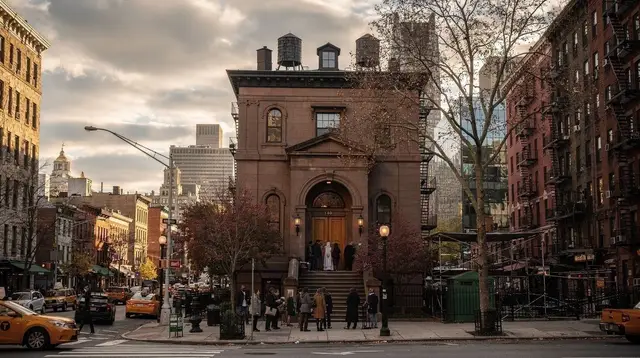
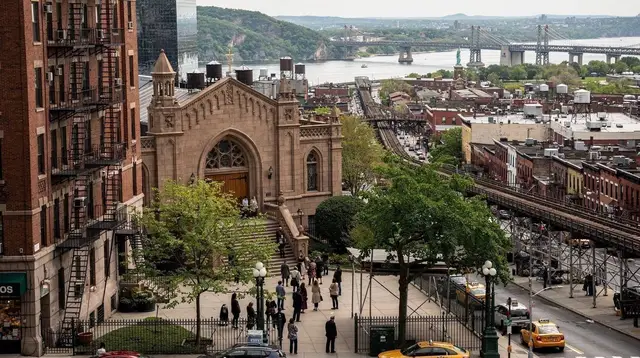
GetYourGuide does not provide a product photo for this activity — the image shows the meeting point, photographed by us.