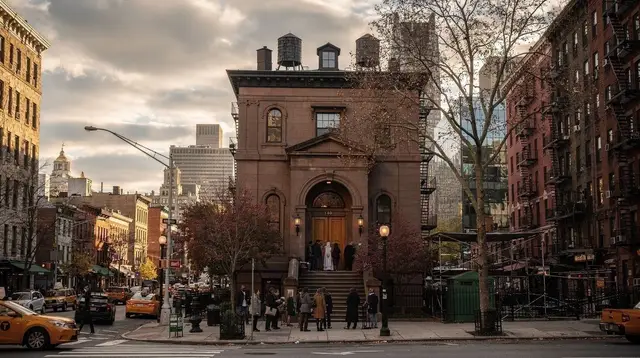
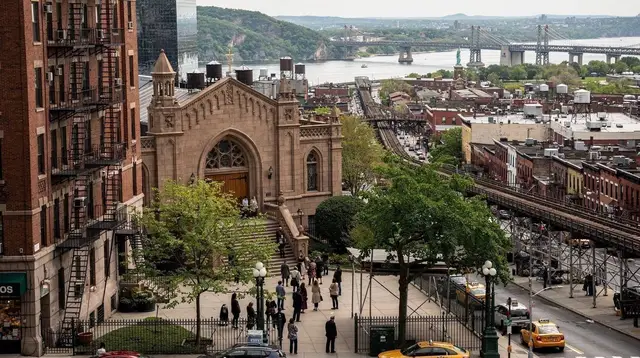
Sunday Gospel Church Service Tour in Harlem
Can you visit a gospel church service in Harlem as a tourist?
Yes, several active Baptist churches in Harlem welcome visitors into a reserved section for Sunday worship, usually the 9am or 11am service. It is a real religious service, not a staged show, so modest dress, silence during preaching, no photography, and a small cash offering are expected.
What a Harlem gospel church visit actually is
Harlem has been the center of Black church life and gospel music in New York since the Harlem Renaissance of the 1920s, and its Baptist congregations still hold full Sunday worship services every week, exactly as they have for generations. A handful of these churches welcome visitors into a reserved section of the sanctuary for the Sunday service, and that welcome is the basis of every legitimate “gospel church tour” sold in the city.
It is worth being precise about what this is and is not before you book anything: it is a real, ongoing act of worship that a congregation happens to open its doors to, not a gospel concert staged on a schedule for tourists. If you come expecting a produced show with a fixed running order, you will misread the room and, more importantly, misjudge how to behave in it.
Understanding this distinction changes how you plan the morning. You are a guest in someone else’s weekly religious practice, arriving alongside people for whom this is not a tourist activity but their church. That doesn’t mean visitors aren’t genuinely welcome — many Harlem congregations have hosted visitors for decades and speak warmly about sharing their worship with people from around the world — but it does mean the usual rules of paid entertainment (guaranteed seats, photography, arriving five minutes before curtain) simply don’t apply.
How the visit is organized
Guided tours built around this experience follow a similar pattern. A guide meets visitors, gives context on Harlem’s gospel history and the neighborhood along the way, and brings the group to a church that has a working relationship with visitors. Some pair the church visit with a walking tour of Harlem beforehand or a soul food brunch afterward, stretching the morning into three or four hours; others focus narrowly on the service itself, sometimes led in a specific language for a small group.
- a Harlem walking tour combined with a gospel church service, pairing neighborhood history with the Sunday visit
- a Sunday-morning Harlem gospel tour built specifically around the church service timing
- a walking tour of West Harlem that includes the gospel service, covering a different stretch of the neighborhood
- a Harlem sightseeing tour with the Sunday gospel visit, for travelers who want the broader neighborhood context
What none of these operators control is the church itself. The congregation, not the tour company, decides how many visitors it can seat, where they sit, and how the morning is run once you’re inside. A tour gets you to the right place at the right time and briefs you on what to expect; it cannot promise a seat the way a Broadway ticket promises one, because the church — not the booking — makes that call on the day.
Timing: arrive early, and mean it
Sunday services in Harlem’s Baptist churches typically run at 9am or 11am, and the 11am slot is usually the fuller, more elaborate service with a larger choir and congregation. Visitor sections are limited, and churches fill them on a first-come basis. The standard, non-negotiable advice from every operator and every church that hosts visitors is the same: arrive 45 to 60 minutes before the service starts. That is not a suggestion to look responsible — it is the actual margin between getting seated and being turned away, because the line for visitors can be genuinely long on a popular Sunday, especially during peak tourist months.
If your tour includes a pre-service walking segment, build in the same early-arrival logic: a guide who plans to reach the church “just in time” is planning for something to go wrong. Treat the 45-to-60-minute window as the real start time of your morning, not the service’s printed start time.
| Service | Typical time | Recommended arrival | Typical length |
|---|---|---|---|
| Morning service | ~9:00am | 8:00–8:15am | 1.5–2 hours |
| Main service | ~11:00am | 10:00–10:15am | 1.5–2 hours |
Exact times vary by church and by season, which is one reason a guided visit is worth the structure: the operator tracks which congregation is hosting visitors that particular Sunday and at what time, rather than you guessing from an outdated listing.
Dress code and etiquette that actually matter
This is a working church service, and the dress and conduct expectations reflect that. None of the following are unusual for a house of worship, but they trip up visitors who arrive treating it as a sightseeing stop:
- Dress modestly and neatly. No shorts, no sleeveless tops that leave shoulders bare, no beachwear or athletic wear. Smart-casual is the safe target — think of it as dressing for a formal event, not a museum visit.
- No photography or video during the service. Phones should be silenced and kept away entirely once worship begins. This rule is enforced out of respect for the congregation, many of whom are attending their own weekly service, not posing for visitors.
- Silence during the sermon. Singing and responsive participation during hymns is often welcomed and even encouraged, but the preaching itself calls for quiet, attentive listening, the same as it would for any congregant.
- An offering is expected. When the collection plate passes, visitors are generally expected to contribute, typically five to ten dollars in cash. This isn’t an entrance fee collected by an operator; it’s the same offering every member of the congregation gives, and visitors are asked to participate rather than sit it out.
- Follow the church’s seating instructions. Ushers direct visitors to a designated section. This section is set by the church, not the tour company, and where you sit is the church’s decision on the day.
None of this is difficult to meet, but it is worth planning around consciously rather than discovering the dress code at the door.
What the tour includes, and what it can’t guarantee
A booked tour reliably delivers the things a tour company actually controls: a knowledgeable guide, context on Harlem’s gospel and civil-rights history, a walk through the neighborhood, and coordination with a church that regularly hosts visitors. Several combine the church visit with other Harlem staples worth knowing about:
- a Harlem sightseeing tour paired with the Sunday gospel experience, covering more of the neighborhood’s landmarks
- a Harlem sightseeing tour that also contrasts the neighborhood with the rest of New York
- a small-group Harlem walking tour and gospel service guided in French, useful for francophone travelers
- a focused Sunday gospel visit in Harlem for travelers who want the service itself without a longer add-on
What none of these — or any operator — can promise is a guaranteed seat inside the church without you doing your part on arrival time. The church sets capacity and manages its own door; a tour operator’s role is logistics and context, not ticketing authority over a place of worship. Treat any listing that promises a “reserved seat” with skepticism if it doesn’t also stress the early-arrival window — the two claims sit in tension, and the honest version of this experience always leads with arriving early, not with a guarantee.
Where this fits in Harlem
Harlem’s gospel church tradition sits alongside the neighborhood’s wider musical and cultural history, and pairing the service with time spent walking the surrounding streets rounds out the morning naturally. The Harlem walking tour covers the neighborhood’s architecture and civil-rights landmarks, while the Harlem gospel history and jazz walking tour goes deeper into the musical lineage that runs from the 1920s Renaissance through to today’s congregations.
If your Sunday morning has room for it, a Harlem soul food gospel brunch tour or a standalone Harlem soul food tour makes a natural follow-on once the service ends around early-to-mid afternoon.
For travelers building a longer stay, Harlem fits well into an itinerary that also covers Central Park and the Upper West Side museums to the south, or into a broader look at things to do in Harlem beyond the church visit. Anyone planning a first visit to the city more broadly may also want the wider context in how many days to see New York City, since a Sunday morning gospel visit is easiest to fit into a schedule that isn’t already packed with a full day of sightseeing elsewhere.
Getting there and planning around it
Harlem is served by several subway lines, and a visit on a Sunday morning means factoring in that NYC subway service can run on a reduced weekend schedule on some lines — another reason the 45-to-60-minute buffer matters, since it also absorbs slower or altered subway timing on a Sunday. If you’re staying further downtown, allow real transit time on top of the arrival buffer rather than calculating the two separately.
Because the service itself runs 1.5 to 2 hours and typically starts by 9am or 11am, a gospel church visit pairs naturally with an otherwise unhurried Sunday. It does not pair well with a tightly scheduled day that also includes, say, an early Statue of Liberty and Ellis Island ferry slot or a long museum visit immediately after — budget the whole morning to the church and treat whatever comes after as flexible.
Choosing between the tour formats
Not every visitor wants the same shape of morning, and the range of formats reflects that. Some travelers want the church visit and nothing else, kept short so the rest of Sunday stays open; others want to turn the morning into a proper introduction to Harlem, with the gospel service as the anchor rather than the whole point.
- If you want the service alone, without a long walking segment attached, a focused Sunday gospel visit keeps the commitment to the church itself.
- If you’d rather use the morning to actually learn the neighborhood, a combined Harlem walking tour option pairs the streets with the service.
- Travelers drawn specifically to the music and its lineage — rather than the neighborhood’s architecture or civil-rights history — are often better served pairing the church visit with a separate gospel history and jazz walking tour booked for another day, so neither experience feels rushed against the other.
None of these formats change what happens once you’re inside the church — the dress code, the arrival window and the offering are the same regardless of which tour brought you there. What changes is how the rest of the morning is used before and after the service itself.
Making a full morning of it
Because the service itself only fills 1.5 to 2 hours starting at 9am or 11am, most visitors have real time left over on either side of it, and Harlem gives you a natural way to use it. A soul food meal is the most common pairing, partly out of convenience — several congregations sit close to Harlem’s best-known soul food restaurants — and partly because Sunday brunch after church is itself a neighborhood tradition, not just a tourist add-on.
- a Harlem soul food and gospel brunch tour that folds a sit-down meal into the same morning as the service
- a standalone Harlem soul food tour for travelers who’d rather book the church visit and the meal separately
Either way, plan the meal for after the service rather than before it — arriving at church on a full stomach isn’t the issue, but the arrival-window math doesn’t leave room for a sit-down meal beforehand once you account for the 45-to-60-minute buffer and transit time.
Who this experience suits, and who it doesn’t
This is worth being honest about before booking. The Harlem gospel church visit rewards travelers who are comfortable sitting through 90 minutes to two hours of an actual religious service — sermon included, not just the musical portions — and who can commit to a real dress code and a phone-away rule for that whole stretch. It’s a poor fit for anyone hoping to duck in for the music and slip out early, since leaving mid-service is disruptive in a small sanctuary and generally discouraged.
It suits families reasonably well, provided children can sit quietly for the duration; it suits solo travelers and couples looking for something outside the standard sightseeing checklist; and it suits anyone with a genuine interest in Harlem’s African American church history rather than a purely musical one, since the sermon and prayers carry as much weight in the service as the choir does. Travelers who only want gospel music as a performance, with none of the surrounding liturgy, are better served by a ticketed concert format elsewhere rather than a working Sunday service.
A note on what this experience is not
It is worth restating plainly, because marketing language around “gospel tours” can blur it: this is not a gospel concert booked and staged for tourist audiences, and no operator can sell you a guaranteed seat the way a Broadway box office sells a guaranteed seat. What you are booking is guided access to a real Sunday worship service that an active Harlem congregation has chosen to open to visitors, on the congregation’s own terms.
Respect for that — through early arrival, appropriate dress, silence during the sermon, no photography, and a small offering — is what makes churches willing to keep welcoming visitors in the first place. Travelers who show up expecting a show, phones out, tend to have the least satisfying visit and, more to the point, are the reason some churches have grown warier of tour groups altogether. Arriving early, dressed appropriately, and ready to sit quietly through a real church service is the whole of what’s asked, and it’s a small ask for what is, for many visitors, one of the most memorable mornings of a New York trip.
Harlem Gospel & Soul Food
Verified deep-linked GetYourGuide tours. Book through these links and we earn a small commission at no cost to you.
GetYourGuide does not provide a product photo for this activity — the image shows the meeting point, photographed by us.