A Comedy Club Show in Greenwich Village
What is a comedy club show in Greenwich Village actually like?
It is a 90-minute-to-two-hour set in a small, low-ceilinged room seating well under 200 people, with several stand-up comedians rotating through rather than one headliner. Weekend shows sell out in advance, most rooms enforce a drink minimum and an 18+ age policy, and while well-known comedians occasionally drop in unannounced, no club sells tickets on the promise of a specific name.
A neighbourhood that built modern stand-up
Long before comedy specials streamed to phones, the comedians who shaped American stand-up were working out fifteen-minute sets in small rooms below street level in Greenwich Village. The neighbourhood’s basement and storefront clubs, several of them still running in something close to their original form, became the place where new material got tested in front of a live, unforgiving audience before it ever reached a bigger stage.
That history from the 1980s onward is still the reason people specifically seek out a Greenwich Village club rather than any comedy show anywhere in the city: the rooms themselves, low-ceilinged and close, are part of what made the format work, and they have not fundamentally changed.
Booking a night at one of these clubs today with an evening of stand-up comedy in a Greenwich Village club means walking into that same physical setup: a small stage, tables set close together, and a lineup built from several comedians rather than one name carrying the whole night. Understanding how that format actually works, and what it does and doesn’t promise, makes a much better night out than showing up expecting a concert-style headline act.
What the room and the format actually look like
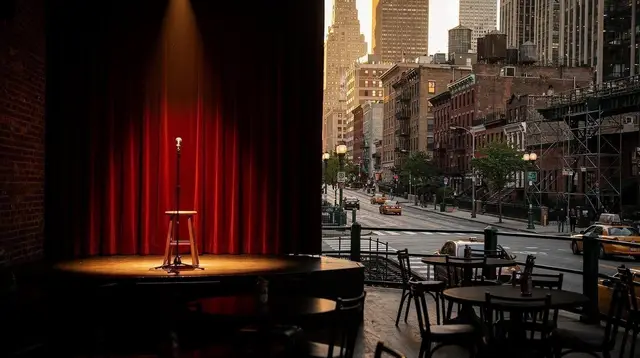
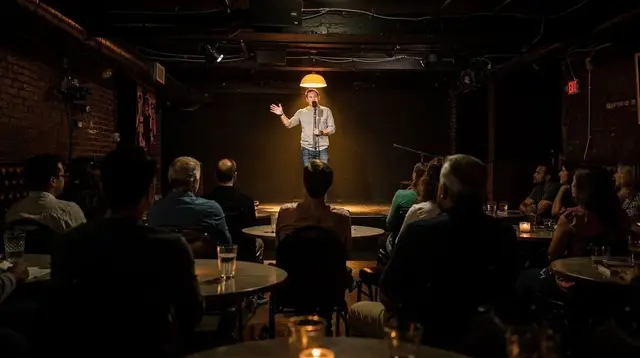
The defining fact about a historic Greenwich Village comedy club is its size. These are not theatres. Capacity commonly runs to a hundred seats or fewer, sometimes noticeably fewer in the smallest rooms, which is exactly what gives the shows their close, unfiltered feel — a comedian working a room this size can see every face, and audience members are close enough to be part of the material if a comedian chooses to work the crowd. That intimacy is the appeal, but it also means these venues cannot absorb a sold-out weekend crowd showing up without reservations the way a large theatre could.
A typical show runs 90 minutes to two hours and features a rotating lineup, commonly somewhere between four and eight comedians, each performing a shorter set rather than one comedian carrying the entire evening. A host or emcee usually opens the night and returns between acts to introduce the next comedian, keep pacing tight, and often improvise briefly with the audience. This structure is deliberate: it lets clubs showcase a range of styles and experience levels in one sitting, from comedians workshopping brand-new material to more established acts running a tighter, more polished set.
| What to expect | Detail |
|---|---|
| Room capacity | Roughly 100 seats or fewer at the smallest historic clubs, more at larger venues |
| Show length | 90 minutes to 2 hours |
| Number of comedians | Typically 4 to 8, rotating through shorter sets |
| Minimum age | Commonly 18+ |
| Drink minimum | Usually enforced, charged at the table separately from the ticket |
| Advance booking | Strongly recommended, especially Friday and Saturday |
Booking, drink minimums and age policy
Weekend shows at the well-known clubs sell out days in advance, and even weeknight shows can fill up faster than visitors expect given how few seats a small room holds. Booking ahead through a fixed ticket, such as the Greenwich Village stand-up comedy club show, removes the guesswork of walking up and hoping for space, particularly on a Friday or Saturday night when a Village comedy club is often the plan rather than an afterthought.
Most rooms also apply a drink minimum, which requires each guest to order a set number of drinks, commonly two, over the course of the show. This is charged at the table separately from whatever was paid for the ticket itself, and it applies whether or not a guest drinks alcohol — non-alcoholic options usually count toward the minimum, but the charge itself is not something a club waives. Combined with New York’s added sales tax and the customary 18-20% tip on top of the bar bill, the night’s real cost runs meaningfully higher than the ticket price alone, a pattern worth planning for rather than discovering at the table.
An 18+ minimum age policy is standard at most clubs, and the material performed is genuinely adult in language and subject matter regardless of who is in the room. This is not a show that gets toned down for a younger audience member who happens to have been let in; clubs enforce the age policy specifically because the content does not change.
The one promise no club can make
The single most persistent misunderstanding about a Greenwich Village comedy club night is the idea that booking a ticket guarantees seeing a recognisable name. It is true that working comedians, including some genuinely famous ones, do sometimes drop into these small rooms unannounced to test new material in front of a live audience — that is part of what keeps the Village’s comedy scene connected to its own history. But this only ever happens as a genuine surprise. No club schedules these appearances, none are printed on a lineup sold in advance, and no legitimate ticket seller promises a specific comedian will appear on a given night.
The honest way to book a show is to book it for the format: a small, historic room, a rotating set of working comedians, and the possibility, never the promise, of an unannounced drop-in. Anyone selling a ticket on the guarantee of a famous name performing on a specific date is not describing how these clubs actually operate.
Making a night of it in the Village
A comedy club show pairs naturally with the rest of an evening in the neighbourhood, since Greenwich Village’s narrow, tree-lined streets are dense with bars, small restaurants and other nightlife within a short walk of most clubs. Visitors building a full evening sometimes start with a walking tour through Greenwich Village’s streets and squares in the late afternoon before dinner and a show, using the daylight hours to see the neighbourhood’s architecture and history before it becomes a comedy and bar-hopping destination after dark.
For visitors who want the comedy angle layered with more of the neighbourhood’s cultural backstory, a guided walking tour through New York’s comedy history that ends in a live show adds context most first-time visitors miss: which basements hosted which now-famous names, how the scene shifted over the decades, and why this particular pocket of Manhattan still anchors it. It is a useful option for anyone who wants the history explained rather than picked up by osmosis at the bar.
Those extending the night with a broader pub-crawl format, taking in the Village’s older bars and literary haunts, can pair a show with a literary-themed pub crawl through Greenwich Village’s historic bars, another way to see the neighbourhood’s after-dark character beyond the comedy stage itself.
Where the Village fits in a wider New York visit
Greenwich Village sits within easy walking distance of SoHo and Chinatown and the Financial District further south, making a comedy club evening easy to combine with an afternoon spent exploring either direction. Visitors staying in Midtown or near Central Park can reach the Village by subway in well under half an hour, which makes a comedy night here a realistic add-on to almost any Manhattan itinerary rather than a special separate trip.
Those weighing which comedy neighbourhood to book can compare notes with the citywide overview in our guide to choosing a New York stand-up comedy show, which covers how the Village’s historic clubs differ from the larger commercial rooms elsewhere in Manhattan, including near Times Square.
For a broader sense of what else falls under the city’s nightlife and comedy scene, the nightlife and comedy category page lists the full range of shows, crawls and late-night tours available across the city, while the Greenwich Village activities page rounds up other things to do in the neighbourhood before or after a show.
Visitors planning a longer stay in the city sometimes ask how a comedy night fits into a multi-day plan; our one-day Manhattan essentials itinerary and two-day Manhattan and Brooklyn itinerary both leave room for an evening comedy show without crowding out daytime sightseeing, and the three-days classic New York itinerary treats a Village evening as a natural close to a day spent downtown.
Planning around the practical details
Because these clubs are small, independently run rooms rather than large commercial venues, a few practical habits make the night go more smoothly. Arrive 30 to 45 minutes before the stated showtime; seating within a reservation window is often handled on a first-come basis, and arriving late can mean a worse table or, at the smallest rooms, being held at the door until a natural break in the show.
Bring a card or cash for the drink minimum specifically, since it is billed separately from any ticket paid for online in advance. And set expectations for the lineup itself: a night built around several comedians rotating through shorter sets, in one of the rooms that helped define modern stand-up, is the actual product on offer — a genuinely good night out on its own terms, with no need for a guaranteed famous face to make it worth booking.
Frequently asked questions about a Greenwich Village comedy club show
Do I need to book Greenwich Village comedy club tickets in advance?
Yes, especially for Friday and Saturday shows. The historic clubs in Greenwich Village seat well under 200 people, often closer to 100 or fewer, and weekend sets routinely sell out days ahead. Weeknight shows have more walk-up availability, but arriving without a reservation is a gamble any night of the week.
Is there an age limit for a comedy club show in Greenwich Village?
Most rooms set a minimum age of 18, and material is adult in language and subject matter regardless of the stated age policy. This is not a family show, and clubs do not soften the content for younger audience members who are admitted.
What is a drink minimum and how much does it add to the price?
A drink minimum requires each guest to order a set number of drinks (commonly two) during the show, charged separately at the table on top of the ticket price. Non-alcoholic drinks usually count toward the minimum, but the charge itself is not optional once you are seated.
Will I definitely see a famous comedian if I book a Greenwich Village club?
No. Established comedians do sometimes stop by unannounced to test new material, but no club schedules or advertises this in advance, and it never appears on a ticket you buy ahead of time. Book for the format and the room, not for a specific name.
How long does a typical show run and how many comedians perform?
Most sets run 90 minutes to two hours, with a rotating lineup of anywhere from four to eight comedians, each doing a shorter segment rather than one comedian performing the whole night. A host or emcee typically opens and links the sets between acts.
Why is Greenwich Village specifically associated with stand-up comedy?
The neighbourhood’s small basement and street-level clubs built the modern stand-up circuit from the 1980s onward, developing comedians in tight, low-ceilinged rooms before they moved to bigger stages. That history is still the draw: the rooms are largely unchanged, and working comedians still use them to try out new material.
What should I wear and how early should I arrive?
There is no dress code beyond casual, and most clubs ask guests to arrive 30 to 45 minutes before showtime for seating, since tables are often assigned on a first-come basis within your reservation window. Arriving late can mean a worse seat or, at smaller rooms, being held at the door until a break in the show.
Nightlife & Comedy Clubs
Verified deep-linked GetYourGuide tours. Book through these links and we earn a small commission at no cost to you.
GetYourGuide does not provide a product photo for this activity — the image shows the meeting point, photographed by us.