What the Hudson Valley actually is
The Hudson Valley is the stretch of land on both banks of the Hudson River running north from the edge of New York City toward Albany, and it is not a single attraction or a single town — it is a region roughly the size of a small US state, dotted with river villages, art institutions, historic estates and, further inland, the Catskills foothills.
That scale is the first thing to understand before planning a trip: “doing the Hudson Valley” in an afternoon is not a realistic goal, in the same way that “doing New Jersey” or “doing Long Island” in an afternoon would not be. Most first-time visitors end up choosing a handful of towns and sights within roughly the same short stretch of river and building a day, or better, a day and a night, around them. Travelers still working out how much time to give the Hudson Valley within a wider trip can start with the how many days to see New York City guide before deciding whether to fold in a day trip or treat it as a standalone overnight.
The most visited pocket for New York City travelers sits between Sleepy Hollow and Cold Spring, roughly 45 to 75 minutes north of the city depending on the stop, followed by a slightly further cluster around Beacon and Storm King Art Center, both closer to 1h30-2h out. Further north again, the Catskills begin to rise, a different and more mountainous kind of Hudson Valley trip that tends to need its own day rather than a bolt-on.
Getting there: train or car
Metro-North’s Hudson Line, departing from Grand Central Terminal in Midtown Manhattan, is the standard way to reach the river towns without a car. It is a genuinely scenic ride for much of its length, running close to the water’s edge for long stretches north of Croton-Harmon. Typical one-way travel times from Grand Central: Cold Spring in about 1h20, Beacon in about 1h30-1h45, and Poughkeepsie, further north, in around 1h30-2h depending on whether the train is an express or a local. Trains run frequently on weekends in the warmer months but thin out considerably on weekday off-peak schedules, so checking the timetable before committing to a same-day return is worth the five minutes it takes.
A rental car changes what is realistically possible in a day. The towns above are close together by road but are not well connected to each other by public transit — there is no shuttle bus linking Cold Spring to Beacon to Storm King, for instance, and a taxi or rideshare between them can cost as much as the original train fare from the city. Anyone planning to combine more than one stop, or to reach Storm King Art Center specifically (see below), should think seriously about a car; anyone content with a single river town reachable on foot from its train station can manage comfortably without one.
a private guided day trip to Sleepy Hollow and the Hudson Valley removes the transport question entirely, with door-to-door transport from Manhattan and a driver who already knows which back roads avoid weekend traffic — a genuine advantage on a foliage weekend when parking near the more popular sites fills early.
Storm King Art Center
Storm King Art Center is a 500-acre outdoor sculpture park set among rolling former farmland near New Windsor, roughly an hour and a half from the city by car and considerably longer by train and taxi combined, since the nearest station does not sit within walking distance. It holds large-scale, permanent outdoor works by artists including Alexander Calder, Andy Goldsworthy, Maya Lin and Mark di Suvero, spread across meadows, hillsides and a reflecting pool, meant to be walked, biked or, for those who prefer not to walk several miles, toured by a seasonal tram.
Storm King is seasonal, open roughly from early April through mid-November, closed through the winter months. Tickets are timed and dated in advance, not sold as unlimited walk-up admission, and popular fall-foliage weekends can sell out days ahead — booking a specific date before setting out is not optional the way it might be at a city museum. Because the site is large and mostly outdoors, a visit needs at least half a day on-site to be worthwhile, which is one of the reasons Storm King alone can fill an entire day trip from New York without leaving time for anything else.
Cold Spring and Beacon: two river towns, two different feels
Cold Spring is a small, walkable village directly on the Hudson, with a Main Street of antique shops and cafes running downhill to a riverside park with wide views across to Storm King Mountain (the mountain the art center is named for, though the two are on opposite sides of the river and not the same visit). It is a good choice for visitors without a car: the train station sits at the bottom of Main Street, so no onward transport is needed once you arrive, and a few hours of wandering, a riverside lunch and possibly a short hike up nearby Breakneck Ridge or Mount Taurus fill a satisfying half-day.
Beacon, a stop or two further up the line, has a different character: a former industrial town that has become an art and food destination anchored by Dia:Beacon, a large contemporary art museum housed in a converted Nabisco box-printing factory on the river.
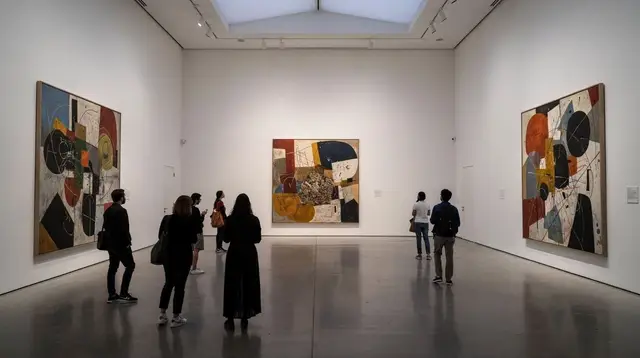
Dia:Beacon’s galleries are enormous and largely column-free, built for the scale of minimalist and post-minimalist works by artists such as Richard Serra, Dan Flavin and Agnes Martin — a very different museum experience from anything in Manhattan, and one that easily absorbs two to three hours on its own. Beacon’s Main Street, a short walk from both the station and the museum, has become known for its galleries, breweries and restaurants, making it easy to build a full day around the town alone.
Sleepy Hollow and the villages closest to the city
Sleepy Hollow, the closest of the well-known Hudson Valley stops to New York City, trades on its Washington Irving associations — the Headless Horseman, the Old Dutch Burying Ground, the Sleepy Hollow Cemetery — alongside genuinely grand historic estates nearby, including Lyndhurst and Kykuit, the former Rockefeller estate. Its proximity makes it the most realistic single-stop Hudson Valley day trip for visitors without a car, and its historical, slightly eerie reputation peaks predictably every October.
a guided ghost and hidden-history walk through Sleepy Hollow leans directly into that reputation, walking the cemetery and village lanes after dark with the Irving stories as a throughline — popular enough in the weeks around Halloween that booking ahead matters more than in most other months.
The Catskills, close by but genuinely different
The Catskills, rising to the west of the mid-Hudson river towns, are a separate kind of trip: forested mountains, waterfalls, small resort towns and hiking trails rather than river villages and museums. They are close enough to be mentioned in the same breath as the Hudson Valley proper, and a number of day trips combine a Catskills stop with a river town, but treating the mountains as an add-on to an already full day at Storm King or Dia:Beacon is a common overreach — the driving alone between the two areas takes the better part of an hour each way.
a guided Catskills forest hike accompanied by large-breed rescue dogs is a distinctive way to see the mountains properly rather than passing through, built around a real hiking trail rather than a roadside overlook, and best planned as the focus of its own day rather than squeezed in after a river-town morning.
For visitors drawn to the region primarily for the color of its hillsides, a shared fall foliage helicopter flight over the Hudson Valley gives a genuinely different vantage on the same landscape covered on the ground elsewhere in this guide — thirty minutes airborne over the river bends and turning hillsides that a full day of driving would only sample in pieces, and one of the few ways to see the valley’s scale in a single sitting rather than town by town.
Why one day rarely means “the whole valley”
It is worth being direct about the limits of a single day trip, because online itineraries frequently overpromise here. The Hudson Valley is not a compact, easily circuited destination the way a single Manhattan neighborhood is — its sights are strung out over dozens of miles of river, several are seasonal or require timed tickets, and without a car, connections between them run on infrequent local schedules rather than a tourist-oriented shuttle network. A realistic single day, taken by train, covers one town (Cold Spring or Beacon) plus perhaps one museum inside it; a realistic single day by car can stretch to two adjacent stops, such as Beacon and Storm King, if timed carefully around opening hours and the return drive.
Trying to fit Sleepy Hollow, Cold Spring, Beacon and Storm King into one day from Manhattan means several hours lost to transit and almost no time actually spent at any of them. An overnight in Cold Spring or Beacon — even a single night — removes that pressure entirely, turns two rushed half-visits into two unhurried full ones, and avoids the last, often delayed evening train back into Grand Central after a long day outdoors. Travelers building a longer itinerary around this can see how it fits into a broader trip through the four-day New York and Hudson Valley itinerary.
For a slower, more contemplative pace than a checklist of sights, a guided mindful art and photography walk through the Hudson Valley pairs well with an overnight stay, moving through the landscape at the pace a camera or a sketchbook actually needs rather than the pace a train timetable dictates.
When to go
Fall, specifically the last week of September through late October, is when the Hudson Valley draws the largest crowds from the city, as the hillsides along the river turn color a few weeks ahead of Central Park. This is also when Storm King, Cold Spring and Beacon are at their busiest and when advance tickets and train reservations matter most; a foliage-season Saturday train to Cold Spring can run standing-room only by mid-morning. Spring, particularly May, brings a quieter version of the same scenery with blossoming trees and comfortable hiking weather.
Summer suits river activities and longer outdoor days at Storm King, though it can be humid. Winter closes Storm King entirely and thins out most river-town foot traffic, though Dia:Beacon and the villages themselves stay open, at a noticeably calmer pace than any other season. Travelers planning specifically around the colors should also see the fall foliage timing guide and the broader comparison of drive versus train for fall foliage trips, or build a Hudson Valley weekend into the wider four-day New York autumn itinerary.
How the Hudson Valley compares to other day trips from the city
The Hudson Valley is one of several regions within a few hours of New York City, and it is worth being clear about how it differs from the others before choosing where to spend a limited number of days. Long Island and the Hamptons run east along the coast rather than north along the river, trading river towns and art museums for beaches and vineyards, and they are best treated as a separate trip rather than combined with a Hudson Valley day. The three long day trips further afield — Philadelphia, Boston and Washington, DC — are all reached by train from the city in a similar time bracket to the farther Hudson Valley stops, but they are full cities rather than a scattered river region, so a single day at one of them covers a genuinely different kind of ground than a single day among Cold Spring, Beacon and Storm King.
Practical planning notes
A day without a car should be built around a single train line and a single town, checked against the current Metro-North Hudson Line timetable before departure, since weekend and weekday schedules differ meaningfully. A day with a car allows two adjacent stops but should still budget real time for parking, especially at Storm King and in Cold Spring’s small village lot, which fills early on weekends.
Anyone weighing whether a car is worth arranging for the trip can compare the practicalities in the guide to renting a car in New York City. Travelers who would rather skip both the driving and the train-schedule math can see how day trips without a car compare across the region, or browse the wider round-up of best fall foliage day trips from NYC and other Atlantic City day trip options before choosing a single destination for the day. Those budgeting the trip as part of a longer New York stay can also check the real daily budget for New York City for how a day out like this fits alongside city costs.
Those coming up primarily for outlet shopping rather than art or scenery should note that Woodbury Common, a large outlet shopping center, sits in the same general direction from the city but is its own separate trip with its own dedicated shuttle service, covered in the Woodbury Common day trip guide rather than combined with the river towns above.
Hudson Valley day trips: frequently asked questions
Can I visit Storm King Art Center without a car?
It is difficult. The nearest train station is not within walking distance of the art center, and no regular shuttle connects them, so visitors without a car typically need a taxi or rideshare for the final leg, which can add significantly to the cost of the trip. A rental car or a guided tour is the more practical option for Storm King specifically.
Do I need to book Storm King tickets in advance?
Yes. Storm King sells timed, dated tickets rather than open walk-up admission, and popular dates, particularly weekends during fall foliage season, can sell out several days ahead. It is also only open seasonally, roughly early April through mid-November.
What is the difference between Storm King and Dia:Beacon?
Storm King is an outdoor sculpture park spread across 500 acres of meadow and hillside, closed in winter; Dia:Beacon is an indoor contemporary art museum inside a former factory building on the river in Beacon, open year-round. They are in different towns, roughly 20-25 minutes apart by car, and are generally treated as separate day trips rather than combined into one.
How long does the train from Grand Central to Cold Spring or Beacon take?
Roughly 1h20 to Cold Spring and 1h30-1h45 to Beacon on the Metro-North Hudson Line, depending on whether the service is express or local. Weekend schedules run more frequently than weekday off-peak schedules.
Can I see the Hudson Valley in one day from New York City?
You can see part of it — one river town, or one town plus one museum or sculpture park — but not the region as a whole. The valley spans many miles along both riverbanks, several sites require advance timed tickets, and public transit between towns is limited, so a single day realistically covers one or two stops rather than a full circuit.
When is fall foliage at its best in the Hudson Valley?
Typically the last week of September through late October, peaking slightly earlier than foliage in Central Park given the valley’s more northern latitude and higher elevations. This is also the region’s busiest and most expensive period for train tickets, timed entries and accommodation, so booking ahead matters more than at any other time of year.
Is Sleepy Hollow the same as Sleepy Hollow Cemetery?
Not quite — Sleepy Hollow is the village, while the cemetery is one specific site within it, alongside the separate Old Dutch Burying Ground referenced in Washington Irving’s stories. Both sit within easy walking distance of the village’s Metro-North station, making Sleepy Hollow one of the more practical car-free Hudson Valley day trips from the city.
Is an overnight stay really necessary, or is that overcautious advice?
It depends on ambition. A single stop — Cold Spring, or Beacon and Dia:Beacon — works fine as a day trip by train. Trying to combine multiple towns, a sculpture park, and a museum in one day, especially without a car, usually means several hours lost to transit and delayed evening trains, which is where an overnight genuinely changes the experience rather than simply adding comfort.